
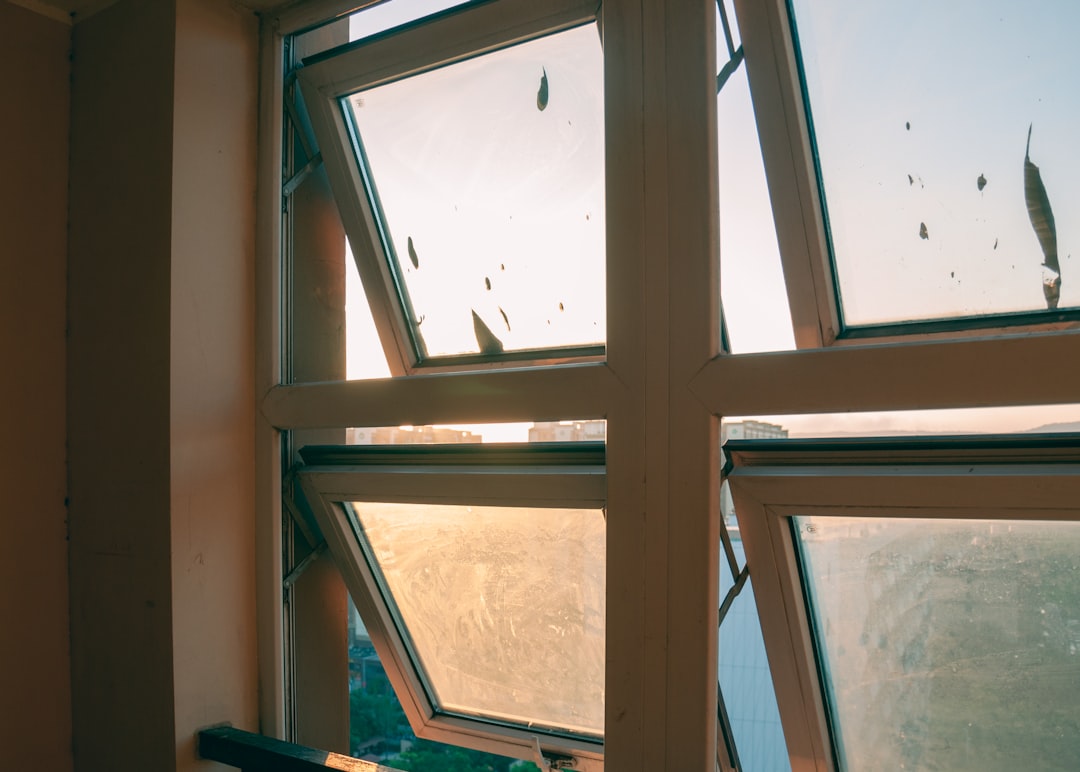
As a homeowner in Ottawa, you’re likely no stranger to the frustrations of dealing with condensation on your windows. The foggy, misty appearance that comes with condensation can be more than just an aesthetic issue – it can also be a sign of a larger problem that can lead to mold, mildew, and even damage to your walls and windows. If you’re wondering, “Do new Windows Help with Mold”>windows help with condensation problems?” you’re not alone. Many Ottawa homeowners struggle with condensation, and it’s natural to wonder if replacing your windows is the solution. In this article, we’ll explore the relationship between new windows and condensation problems, and provide you with the information you need to make an informed decision.
Understanding Condensation
Before we dive into the question of whether new windows can help with condensation problems, it’s essential to understand what condensation is and how it occurs. Condensation happens when warm, moist air comes into contact with a cool surface, causing the water vapor in the air to condense into droplets. This can occur on windows, walls, and even ceilings, and is often more pronounced in areas with high humidity, such as bathrooms and kitchens. In Ottawa, where the climate can be quite cold and dry during the winter months, condensation may seem like a minor issue. However, it’s still a problem that can cause significant damage if left unchecked.
Do New Windows Help with Condensation Problems?
So, do new windows help with condensation problems? The answer is yes, but with some caveats. New windows can certainly help reduce condensation, but they may not eliminate the problem entirely. Modern windows are designed to be more energy-efficient and to reduce heat transfer between the inside and outside of your home. This can help to reduce the amount of condensation that forms on your windows, as the temperature difference between the inside and outside of the window is reduced. Additionally, many new windows come with features such as low-e coatings, gas fills, and advanced frame materials that can help to minimize condensation.
However, it’s essential to note that new windows are not a magic solution to condensation problems. If the underlying issues that are causing condensation are not addressed, new windows may not make a significant difference. For example, if your home has poor ventilation, high humidity, or inadequate insulation, condensation can still occur, even with new windows. In Ottawa, where the winters can be cold and dry, it’s not uncommon for homes to have poor ventilation, which can exacerbate condensation problems.
How New Windows Can Help
So, how can new windows help with condensation problems? Here are a few ways:
- Improved insulation: New windows can provide better insulation, reducing heat transfer and minimizing the temperature difference between the inside and outside of your home.
- Advanced materials: Many new windows are made with advanced materials that are designed to reduce condensation, such as low-e coatings and gas fills.
- Better ventilation: Some new windows come with features such as built-in ventilation systems or advanced frame designs that can help to improve airflow and reduce condensation.
- Reduced thermal bridging: New windows can reduce thermal bridging, which occurs when there is a direct path for heat to escape from your home, often through the window frame.
- Low-e coatings: Look for windows with low-e coatings, which can help to reduce heat transfer and minimize condensation.
- Gas fills: Windows with gas fills, such as argon or krypton, can help to reduce heat transfer and minimize condensation.
- Advanced frame materials: Look for windows with advanced frame materials, such as fiberglass or vinyl, which can help to reduce condensation.
- Built-in ventilation systems: Consider windows with built-in ventilation systems, which can help to improve airflow and reduce condensation.
What to Look for in New Windows
If you’re considering replacing your windows to help with condensation problems, there are a few things to look for:
Conclusion
Do new windows help with condensation problems? The answer is yes, but it’s essential to understand that new windows are not a magic solution to condensation problems. While new windows can certainly help reduce condensation, they may not eliminate the problem entirely. By understanding the causes of condensation and addressing the underlying issues, you can help to reduce condensation and create a healthier, more comfortable living space. As an Ottawa homeowner, it’s essential to take condensation problems seriously and to explore all the options available to you. Whether you’re considering replacing your windows or exploring other solutions, the key is to find a solution that works for you and your home.
FAQ
Q: Will new windows completely eliminate condensation problems?
A: No, new windows may not completely eliminate condensation problems, but they can certainly help reduce condensation.
Q: What are the most common causes of condensation problems?
A: The most common causes of condensation problems include poor ventilation, high humidity, and inadequate insulation.
Q: Can I fix condensation problems without replacing my windows?
A: Yes, there are many ways to fix condensation problems without replacing your windows, such as improving ventilation, reducing humidity, and adding insulation.
Q: How much do new windows cost?
A: The cost of new windows can vary widely, depending on the type, size, and features of the windows. It’s essential to get quotes from multiple suppliers to find the best option for your budget.